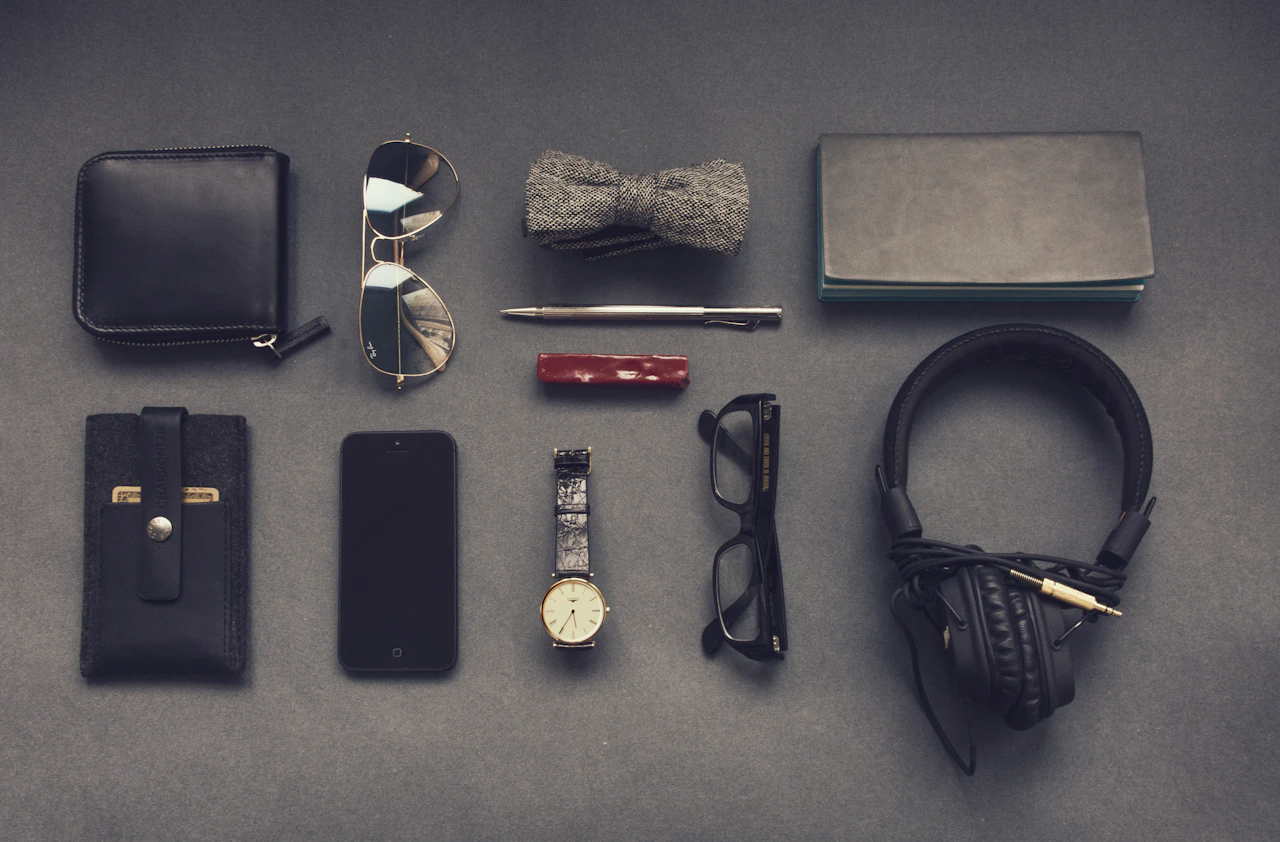
Travel gets a lot easier when your gear works quietly in the background. The best travel accessories are not flashy; they are the small, repeatable upgrades that keep your bag organized, your clothes presentable, and your day moving without friction. If you have ever dug through a carry-on for a charger, arrived with wrinkled shirts, or realized your suitcase was impossible to identify after a long flight, you already know why the right add-ons matter. This guide breaks down the most useful portable accessories to pack every time, with a focus on organization, comfort, and polish on the road.
For travelers building a better system, a few smart choices go a long way: cabin-size travel bags, reliable USB-C cables, and the kind of road-trip essentials that reduce stress before it starts. Think of this as a curated packing system, not a random product roundup. The goal is to help you buy once, pack better, and travel with less clutter and more confidence.
Why Small Travel Accessories Make a Big Difference
They solve the real problems, not the aesthetic ones
The most useful travel gear usually addresses one of three frustrations: wasted time, messy packing, or poor presentation. A pair of packing cubes can save ten minutes every morning by separating clean outfits from worn items. A simple set of travel organizers can prevent cables, toiletries, and passports from turning into a single tangled pocket. And a well-chosen luggage tag can make your bag easier to identify while adding a subtle touch of polish.
There is also a broader market signal here. Travelers are clearly willing to pay for convenience and durability, which is part of why the luggage category keeps growing; the Europe trolley bags market, for example, is projected to rise from USD 6.40 billion in 2025 to USD 9.58 billion by 2034, driven by demand for durable, stylish solutions and lightweight materials. That same logic applies to accessories: people do not just want more stuff, they want better systems. If you care about buying smarter, our guide to the best budget travel bags for 2026 shows how to balance practicality and price without overpacking your life.
Good accessories protect your outfit, schedule, and sanity
Travel rarely fails because of one giant mistake. It usually breaks down through a dozen tiny annoyances: a shirt arriving crushed, a charger buried at the bottom of the bag, a water bottle leaking onto a blazer, or a suitcase that looks identical to everyone else’s at baggage claim. The right accessories reduce those failure points. In that sense, they are not extras; they are risk management tools for your wardrobe.
This is especially true for business trips, weddings, weekend getaways, and road trips where you may need to shift quickly between casual and polished settings. A compact toiletry system, for example, keeps grooming products from contaminating clothes. If you want to make your packing even more efficient, it helps to think like a minimalist traveler and borrow tactics from our breakdown of hidden travel costs and last-minute getaway planning: the real win is not only saving money, but also saving decision energy.
Accessories create consistency across different trip types
A strong travel setup is modular. The same core items should work for a two-night work trip, a week-long vacation, or a long-haul international flight. That means picking accessories that compress well, handle repeated use, and are easy to repurpose. A leather passport cover might be a nice touch for frequent flyers, but a clear document pouch or slim organizer may do more work for less bulk.
Consistency also improves packing speed. When each category has a dedicated home, you stop reinventing your bag every time you leave. This is the same logic behind efficient retail and logistics systems, where organization reduces errors and increases throughput. If you appreciate structured planning, you may also like the practical approach in how people plan moves around rising fuel costs and the checklist mindset from heavy equipment transport best practices—different category, same principle: good logistics is mostly smart preparation.
The Travel Accessories Worth Packing Every Time
Packing cubes: the most useful upgrade for almost every traveler
If you only buy one item from this guide, make it a set of packing cubes. They keep tops, bottoms, underwear, sleepwear, and gym pieces separated, which makes both packing and unpacking more efficient. For short trips, cubes prevent overpacking because you can see exactly how much space your clothing is taking. For longer trips, they make it easier to rotate outfits and keep dirty laundry contained.
Choose cubes based on how you travel. A set of lightweight compression cubes is best for carry-on travelers who need to maximize space, while mesh-top cubes work well if you want quick visibility and airflow. If you regularly travel with knitwear or dress shirts, use a smaller cube dedicated to fragile pieces so they do not get crushed by heavier items. For more advice on keeping carry-on loadouts tight, see our guide to cabin-size travel bags and pair it with the right USB-C cable specs so your electronics kit stays just as organized as your wardrobe.
Luggage tags: small detail, big payoff
Good luggage tags do two jobs at once: they help you identify your bag quickly and reduce the chance of mix-ups. On a busy baggage carousel, a distinctive tag can save a surprising amount of time, especially if your suitcase is a common black or navy model. Opt for a tag that is sturdy, secure, and easy to read without exposing too much personal information.
There is a style angle here too. A tasteful tag, especially in leather or matte hardware, makes your luggage feel more intentional. That matters on business trips and city breaks where you want your gear to look as polished as the rest of your outfit. If you like the idea of elevating practical objects, our take on wearing bold proportions in real life offers the same mindset: functional choices can still be stylish when they are well edited.
Travel organizers: make every pocket earn its place
Travel organizers are the unsung heroes of smart packing. Use them for cables, medicines, grooming tools, jewelry, receipts, SIM cards, and small electronics that otherwise disappear into a backpack cavern. The best ones are slim, structured, and easy to open one-handed. A good organizer should also make repacking effortless, because the whole point is to build a repeatable system.
For tech-heavy travelers, cable pouches are essential, especially if you bring a charger, adapter, earbuds, and power bank. A clean electronics kit prevents knots, frayed cords, and dead devices. If you want to get more serious about your charging setup, start with the basics in this USB-C cable guide and make sure your kit matches your device needs. Travelers who work on the road may also appreciate the efficiency mindset in bargain laptop buying decisions, where portability and value have to coexist.
Portable accessories for comfort on planes, trains, and road trips
Comfort items are worth packing every time because they reduce fatigue and make transit feel shorter. A compact neck pillow, eye mask, and packable layer can transform an overnight flight or long train ride. For road trips, add a phone mount, car charger, and reusable water bottle to keep the cabin functional. These accessories are not indulgences; they are the difference between arriving ready and arriving wrecked.
If you are a frequent road-tripper, the best accessories are the ones that keep moving parts under control: snacks, hydration, charging, and temperature management. That is why a portable cooler can matter more than a fancy gadget on a long drive, especially when paired with the practical strategy in our road-trip cooler guide. For travelers mixing leisure and work, think of these items as part of a mobile office and a recovery kit at the same time.
Toiletry kits and grooming pouches: keep the mess contained
A compact toiletry kit is one of the most underrated carry-on accessories. It protects your clothes from leaks, keeps grooming products together, and helps you move through hotel check-in or airport security with less rummaging. Look for a water-resistant lining, a secure zipper, and enough structure to stand upright on a counter. If you carry shaving items, skincare, or cologne decants, separate them so nothing breaks or spills.
For style-conscious travelers, a grooming pouch is also part of your presentation. When you arrive with a tidy setup, the rest of your travel routine feels more controlled. This is especially valuable before meetings or events, when you need to freshen up quickly and look deliberate. If you want broader context on how presentation shapes buying behavior, our article on why luxury shoppers trust certain voices explains how polish and credibility often go hand in hand.
What to Pack by Trip Type
Business trips: polish, speed, and wrinkle control
Business travel demands accessories that help you look ready without overpacking. The essentials are packing cubes, a garment sleeve or fold-flat folder, a compact shoe bag, and a slim tech organizer. Add a luggage tag that is easy to spot and a toiletry kit with a few grooming touch-up items. The goal is to streamline transitions between airport, hotel, and meeting room.
For a two-day meeting trip, one cube can hold your outfit rotation, another can hold sleepwear and gym gear, and a smaller pouch can carry socks, undershirts, and accessories. This not only saves space, it also reduces the chance that a clean shirt gets buried under a sweater and comes out wrinkled. If you are the kind of traveler who books around convenience and status, you may also find value in our guide to scoring luxury hotel rooms with points, where smart planning improves the entire trip experience.
Weekend and city trips: keep the kit compact
For short trips, overpacking is the enemy. A good weekend setup often means one compression cube for clothing, one organizer for electronics, and a toiletry pouch that covers only the essentials. You want enough structure to stay organized, but not so much gear that your carry-on becomes a puzzle. The smaller the trip, the more important it is to choose accessories that pack flat and disappear when not in use.
City travel also rewards discretion. A clean luggage tag, a simple crossbody insert, and a compact umbrella can make a short trip feel more polished and less improvised. The best accessories here are multi-role items: a pouch that works as an in-flight personal item organizer and as a hotel room valet tray, for example. For destination planning that values flexibility, last-minute getaway booking tips pair well with this kind of lightweight packing approach.
Road trips and long-haul travel: prioritize access and endurance
Road trips reward accessories that keep essentials within reach. Think seat-back organizers, charging cables, cooler bags, reusable bottles, and small trash management solutions. On long flights, prioritize comfort layers, compression socks, headphones, and a tech pouch that you can access without unpacking everything. In both cases, the key is to avoid turning the trip into a search mission.
Long-haul travelers should also think about how items interact. A water bottle is useful, but only if your bag has a safe pocket for it. A charger is useful, but only if the cable is stored where it cannot tangle. These details sound minor until you are in motion and every minute counts. For road-trip optimization, the practical thinking in portable power station planning may seem niche, but the lesson is universal: portable systems should support the journey, not complicate it.
How to Choose the Right Travel Accessories
Start with use case, not impulse buys
The easiest way to waste money on travel accessories is to buy based on novelty. Instead, match each item to a real friction point in your travel routine. If your biggest issue is wrinkled clothes, prioritize packing cubes and garment protection. If your problem is lost chargers, buy a better electronics organizer. If your bag is hard to identify, a distinctive luggage tag is the obvious fix.
This approach keeps your kit lean and practical. It also makes upgrades easier because each purchase has a job. Think about what slows you down during departure, transit, and arrival, then shop accordingly. If you appreciate this kind of decision discipline, our coverage of remote-work escape destinations and last-minute conference deals shows how planning around actual use beats chasing trends.
Look for durability, weight, and cleanability
The best accessories are light, durable, and easy to clean. That matters because travel items get handled roughly, stuffed into overhead bins, and exposed to spills, dirt, and humidity. A slightly more expensive organizer that lasts three years is better value than a cheap one that fails after three trips. Pay attention to zippers, stitching, water resistance, and how the item holds up when packed full.
Weight matters too. Every accessory should justify its place in your luggage, especially if you are trying to stay carry-on only. The same goes for bulk: a great accessory should compress or flatten when empty. This is why specialty luggage retailers tend to outperform general merchandise stores in traveler conversion—serious shoppers know that good gear is a system, not a random shelf purchase.
Build a repeatable carry-on system
A travel system works best when every item has a fixed role. Electronics go in one pouch, toiletries in another, clothes in cubes, and small valuables in a dedicated pocket. When you can pack in the same order every time, you reduce mistakes and speed up departures. Repetition is the real luxury here because it removes uncertainty from the trip.
If you want to build a more complete setup, start by aligning your bag, your organizers, and your cable kit. Our guides on budget travel bags, safe fast USB-C cables, and portable laptop buying help you think through the whole carry-on ecosystem. Once those basics are in place, the smaller accessories start working harder for you.
Recommended Travel Accessories by Category
Below is a practical comparison of accessory types that consistently earn their place in a travel bag. The right choice depends on your trip length, packing style, and how much you value space versus structure. Use this table as a quick buying filter before you add another item to your cart.
| Accessory | Best For | Main Benefit | What to Look For | Packing Priority |
|---|---|---|---|---|
| Packing cubes | All trip types | Separates outfits and compresses clothing | Lightweight fabric, strong zipper, mesh panel or compression design | Essential |
| Luggage tags | Checked bags and frequent flyers | Fast identification and bag security | Durable strap, readable insert, discreet personal info | Essential |
| Travel organizers | Electronics, toiletries, documents | Keeps small items from getting lost | Structured layout, water resistance, easy access | Essential |
| Toiletry pouch | Business trips, long stays | Contains spills and streamlines grooming | Leak-resistant lining, upright shape, secure zipper | High |
| Tech cable pouch | Work travelers and digital nomads | Prevents cable tangles and device chaos | Multiple pockets, compact footprint, cable-friendly dividers | High |
| Packable comfort items | Flights and long rail journeys | Improves rest and recovery in transit | Compressibility, soft materials, easy storage | Medium |
Smart Packing Tips That Make These Accessories Work Harder
Pack in layers, not piles
The most effective packing method is not to stack items randomly. Instead, create layers: clothing cubes at the base, organizers above or beside them, and frequent-access items near the top or outer pockets. This structure makes it easier to unpack quickly and reduces the need to reopen the whole bag every time you want something. It also helps prevent hard objects from crushing softer garments.
Think of your bag as a mobile closet with zones. The easier it is to mentally map those zones, the more calm and efficient your trip becomes. That same logic appears in other practical guides, like safe importing checklists and ferry booking questions, where preparation reduces surprises and helps you avoid costly mistakes.
Use color coding and category logic
Color coding is one of the easiest ways to improve organization. Pick one color for clothing cubes, another for electronics, and a third for toiletries or grooming. Even if you are not a naturally organized person, visual separation makes it easier to find what you need at a glance. If every pouch looks different, you waste less time digging and more time moving.
Category logic matters too. Do not mix tools that support different parts of the trip. Chargers should not share a pouch with shampoo, and jewelry should not sit loose with coins or keys. The cleaner the system, the fewer the mishaps. That is why a traveler who owns good organizers often feels more put together than someone with an expensive bag but no internal structure.
Keep one “arrival reset” kit ready
An arrival reset kit is a small bundle of items that help you recover quickly after transit: deodorant, toothbrush, charger, lip balm, socks, and a fresh tee or undershirt. Store these in one easy-to-reach pouch so you can freshen up immediately after landing or before a meeting. It is one of the fastest ways to turn travel fatigue into presentable energy.
This is where the best carry-on accessories prove their worth. You do not need a giant setup; you need a reliable one. Once you have built that kit, travel becomes much less about surviving the trip and much more about arriving in control. For readers who like a broader view of practical buying, the same disciplined approach appears in premium smartwatch discount strategies and travel deal reality checks—the smartest purchases are the ones that remove friction, not add it.
What Not to Overpack
Avoid duplicate tools that solve the same problem
One of the easiest mistakes is packing too many items that do the same thing. Two chargers, three pouches for the same category, or multiple “just in case” gadgets can quickly create clutter. If you already have a strong organizer, you probably do not need a second one for the same use case. Minimal but functional almost always beats layered redundancy.
Overpacking also increases the odds that you forget what you brought. The more items you carry, the more you depend on memory, and memory is unreliable when you are rushed. A lean system reduces both physical weight and mental load. That is the real reason the best travel accessories feel invisible once they are working.
Skip novelty items unless they clearly solve a problem
Travel products often look clever in photos but underperform in real life. If a product is too specific, too bulky, or too awkward to repack, it usually ends up staying at home after one trip. That is why the best accessories are boring in the best way: they are simple, durable, and easy to use repeatedly. Good travel gear should earn trust through repetition.
If you are evaluating whether an item deserves a place in your kit, ask one question: does this make packing, transit, or arrival measurably easier? If the answer is vague, pass. Keep your money for accessories with clear utility, not novelty value.
FAQ
What are the most important travel accessories to pack every time?
The essentials are packing cubes, luggage tags, a tech organizer, a toiletry pouch, and a small comfort item for transit. Those five categories cover the biggest travel pain points: organization, identification, electronics access, grooming, and comfort. If you travel frequently, they will deliver more value than most specialty gadgets.
Are packing cubes actually worth it for short trips?
Yes. Even on a one- or two-night trip, packing cubes make it easier to group outfits, isolate dirty laundry, and avoid chaos when you unpack. They are especially useful if you travel carry-on only and need to make the most of limited space. The time saved usually outweighs the small amount of bag space they occupy.
What should I store in a travel organizer?
Use travel organizers for items that are small, important, and easy to lose: cables, chargers, medicines, cards, SIM tools, earbuds, grooming items, and jewelry. The point is to create a dedicated home for anything you would otherwise hunt for in a pocket or bottom compartment. If you travel with work gear, an organizer can also keep your mobile office tidy.
How do I choose luggage tags without making my personal info too visible?
Pick a tag with a secure flap or privacy cover, and include only the contact information you want accessible in a lost-bag situation. Many travelers use a name, phone number, and email rather than a home address. A durable tag with a subtle design is usually the best balance of style and security.
What makes a travel accessory worth buying over a cheaper alternative?
Look for durability, weight, cleanability, and ease of use. If an accessory will be handled often or packed tightly, stronger zippers and better stitching matter more than a lower price. A slightly better item that lasts across many trips usually offers better value than a cheap replacement you buy repeatedly.
How many organizers do I really need?
Most travelers only need three to five categories: clothing cubes, electronics pouch, toiletry kit, document wallet or passport holder, and maybe a small valuables pouch. More than that can become unnecessary clutter unless you travel very often or carry specialized gear. The best setup is the one you can pack the same way every time.
Related Reading
- The Best Budget Travel Bags for 2026: Cabin-Size Picks That Beat Airline Fees - Smart carry-on options that pair well with a streamlined packing system.
- How to Pick a Safe, Fast Under-$10 USB-C Cable - A practical guide to reliable charging gear for travel.
- The Best Deal on a Portable Fridge or Cooler for Road Trips - Useful for long drives, tailgates, and outdoor travel setups.
- Scoring Rooms at Hot New Luxury Hotels Using Points and Flexible Booking Tricks - Helpful if your travel upgrades start with smarter trip planning.
- Best U.S. Cities for a Remote-Work Escape in 2026 - A destination guide for travelers mixing work and movement.


