Planning a wedding guest outfit starts with the invitation, not the closet. This guide helps you match a suit, separates, shirt, shoes, accessories, and outerwear to the dress code, venue, weather, and season—so you can build a polished outfit without appearing overdressed or underdressed.
Overview
The most reliable wedding guest outfit men can wear is one that respects the stated dress code while remaining comfortable for the ceremony, photographs, dinner, and dancing. Before choosing colors or accessories, identify four variables: the dress code, the time of day, the setting, and the expected weather.
Use the invitation as the starting point. If it says black tie, formal, cocktail, semi-formal, or casual, follow that instruction rather than relying on the venue alone. If no dress code is listed, the location and timing provide useful clues: an evening city wedding generally calls for a darker, more tailored outfit, while a daytime garden or beach celebration may allow lighter colors and less structure.
A simple decision path is:
- Black tie: Wear a tuxedo, white formal shirt, black bow tie, black dress shoes, and restrained accessories.
- Formal: Choose a dark, well-fitted suit with a dress shirt, leather dress shoes, and a conservative tie unless the invitation suggests otherwise.
- Cocktail: Wear a tailored suit or refined separates with a collared shirt, polished shoes, and a little more room for color or texture.
- Semi-formal: Combine a suit or smart blazer and trousers with a dress shirt and leather shoes. A tie is usually a safe addition, particularly for evening events.
- Outdoor or casual: Use breathable tailoring, neat chinos or trousers, a textured shirt, and clean loafers or understated dress sneakers only when the setting clearly supports them.
Do not treat “casual” as an invitation to wear gym clothes, distressed denim, graphic tees, or athletic sneakers. Wedding attire should still look intentional and respectful.
What to track
Dress code and level of formality
Start by selecting the highest level of formality requested. For formal and cocktail weddings, a complete suit is the most versatile foundation. Navy, charcoal, and deep grey work across many venues and seasons; lighter blue, tan, and muted green can suit daytime or outdoor celebrations when the invitation allows more flexibility.
For cocktail attire, consider a navy or charcoal suit with a white, pale blue, or subtle patterned shirt. A textured tie, pocket square, or brown leather shoe can add personality without turning the outfit into a costume. Avoid matching every accessory too closely; coordinated contrast usually looks more natural.
Fit and proportion
Fit matters more than brand or trend. The jacket should sit flat across the shoulders, close without pulling at the button, and finish around the seat. Sleeves should allow a small amount of shirt cuff to show. Trousers should sit comfortably at the waist and fall cleanly over the shoe, with little or no bunching at the ankle.
Use the complete men’s clothing fit guide and the blazer fit checklist when assessing an existing suit or shopping for a new one. If the shoulders fit but the sleeves or trouser hem do not, tailoring may solve the problem more effectively than replacing the entire outfit.
Shirts, shoes, and accessories
A white or pale blue dress shirt is the safest choice for formal, cocktail, and semi-formal weddings. For outdoor daytime events, a subtle stripe, texture, or soft pastel may work, provided it remains neat and does not compete with the wedding party.
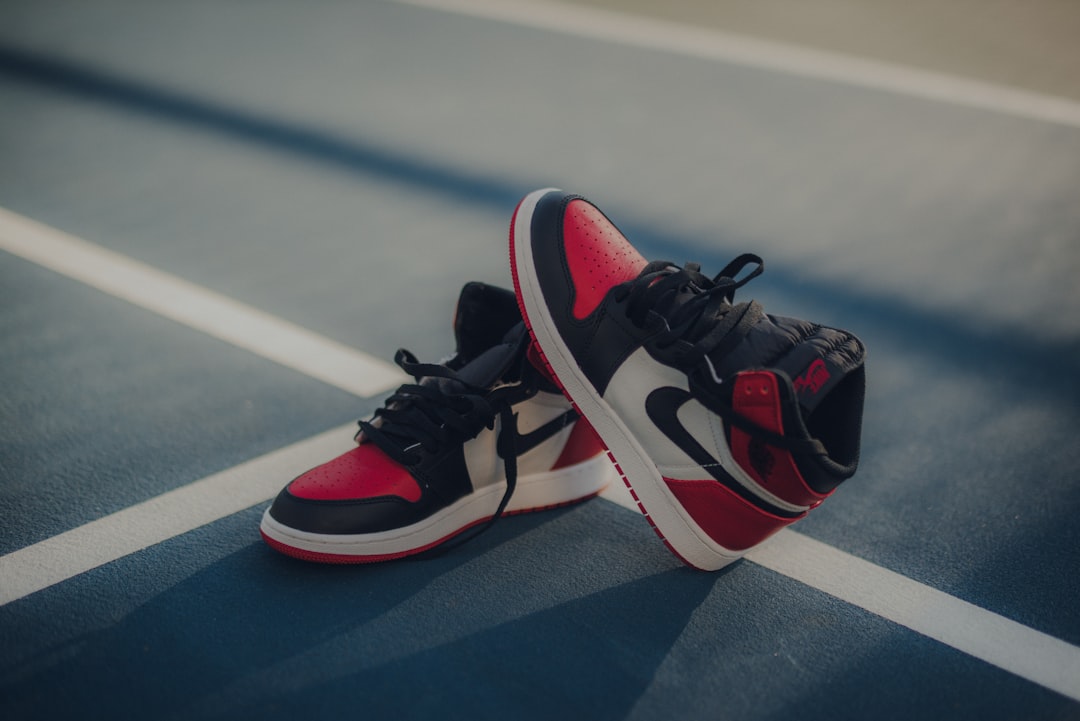
Match shoe formality to the outfit. Oxford and Derby shoes suit formalwear; loafers work well with cocktail and warm-weather tailoring; clean minimalist sneakers are appropriate only for explicitly relaxed settings. If you need a versatile pair for travel or less formal celebrations, compare construction, color, and comfort in this guide to men’s sneakers for everyday wear.
Keep accessories useful and restrained. A simple watch, leather belt, pocket square, and understated tie clip can finish the outfit. A dress watch or slim everyday watch is usually more suitable than a large sports model with formal tailoring; the men’s watch styles guide offers a practical comparison. Sunglasses should be worn outdoors rather than during the ceremony or reception, and their frame should complement your face and outfit.
Season and weather
For summer wedding outfits for men, prioritize breathable wool, linen blends, cotton, or other lightweight fabrics that hold their shape. A light grey, tan, muted blue, or olive suit can work for daytime events. Choose unlined or partially lined tailoring when appropriate, but check that the fabric is not so casual that it conflicts with the dress code.
For autumn and winter, use texture and layering: flannel trousers, a wool suit, a knitted tie, or a refined overcoat. Darker shades are easy to style, but a textured mid-brown, forest green, or burgundy accessory can add depth. For outerwear, select a structured coat that covers the jacket rather than a bulky technical layer. See the men’s outerwear guide for practical coat options.
Cadence and checkpoints
Begin planning two to four weeks before the wedding when possible. This gives you time to check fit, arrange alterations, replace worn shoes, and test the complete outfit. Try everything on together, including socks, belt, watch, and outerwear. A garment that looks right separately can feel unbalanced when combined.
Use this checkpoint list:
- When the invitation arrives: Record the dress code, venue, start time, and any notes about outdoor conditions.
- Two to four weeks out: Choose the main outfit and confirm that the jacket, trousers, and shoes fit comfortably.
- One to two weeks out: Complete alterations, clean or polish shoes, and select accessories.
- A few days before: Check the forecast, prepare a backup layer, and confirm that the shirt and suit are pressed.
- The day before: Pack the full outfit together, including appropriate socks, undershirt, belt, and garment bag.
If the wedding involves travel, choose fabrics that resist creasing and pack one adaptable layer. A navy suit, pale blue shirt, dark tie, brown or black leather shoes, and a simple watch can cover several levels of smart dressing with small adjustments.
How to interpret changes
Weather changes should affect fabric and outerwear first, not the dress code. If a formal outdoor wedding becomes cooler, add a proper overcoat rather than substituting a casual jacket. If heat is expected, choose a breathable suit and lighter shirt while keeping the same level of polish.
A venue change may require a modest adjustment. A garden setting can support loafers and softer tailoring, but muddy ground may make suede impractical. A hotel ballroom favors darker tailoring and polished leather. A beach ceremony may permit linen or cotton blends, but a reception indoors can still call for a jacket.
If the invitation is ambiguous, ask the couple, wedding party, or venue contact rather than guessing. It is generally easier to remove a tie or jacket than to make an overly casual outfit look formal at the last minute. Avoid white or near-white clothing that could be confused with the couple’s attire, and do not copy distinctive colors or accessories associated with the wedding party if those details are known.
When to revisit
Revisit your wedding guest outfit plan whenever the invitation changes, the venue or timing is updated, or the weather forecast becomes reliable enough to influence fabric and layering. A quarterly wardrobe check is also useful if you attend several events: inspect suit fit, trouser hems, shirt collars, shoe soles, belts, and formal accessories before the next invitation arrives.
After each wedding, note what worked. Did your shoes remain comfortable? Was the jacket warm enough? Did the shirt wrinkle too easily? Were the trousers suitable for sitting and dancing? Record those observations and use them to improve the next outfit rather than buying a complete new wardrobe.
For a practical final check, lay out the full look and ask three questions: Does it meet the stated dress code? Does it suit the venue and season? Can I wear it comfortably for several hours? If the answer to all three is yes, finish with clean shoes, a pressed shirt, and restrained accessories. That combination of preparation and fit is more dependable than chasing every new men’s fashion trend.